
Intimacy After GLP-1s
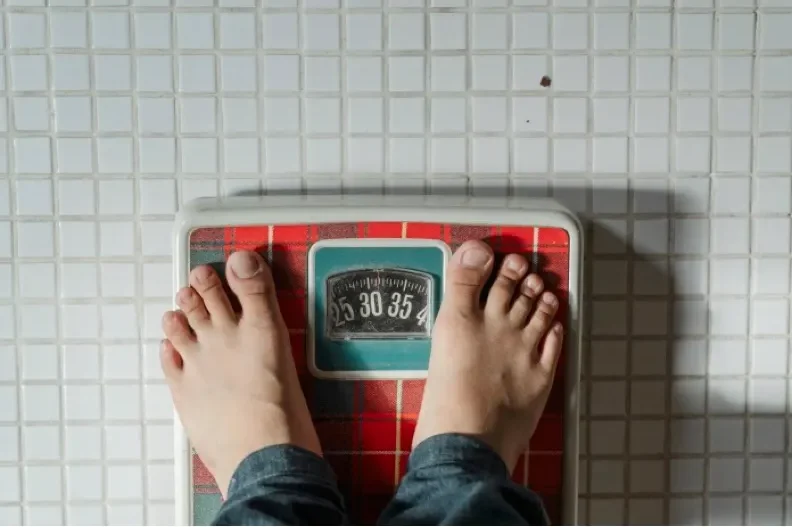
GLP-1 medications, such as semaglutide and tirzepatide, are transforming the way many women approach weight loss. But the impact often extends far beyond the number on the scale. Weight loss can reshape not only the body but also how women experience sex, intimacy, and self-image. For some, this shift brings newfound confidence and desire; for others, it sparks unexpected challenges in relationships and comfort with their changing body. Understanding both the physical and psychological adjustments can help women navigate this transition with more awareness and compassion.
Physical Changes to Expect
· Pelvic floor adjustments: Rapid weight loss can affect the pelvic floor, sometimes tightening or loosening muscles. This may cause pain or discomfort during sex. A pelvic floor physical therapist can provide strategies to restore strength and flexibility.
· Loose skin: While loose skin can feel like a barrier to intimacy, it’s often noticed far less by partners than by the individual. Choosing lingerie or clothing that feels empowering and sexy can help bridge the gap between body changes and sexual confidence.
Psychological Changes
Sexual desire after weight loss doesn’t always follow a straight line. Some women experience heightened desire, fueled by increased body confidence, more attention from others, or a shift from food-based coping mechanisms to sexual expression. Others, however, encounter anxiety around intimacy — whether due to discomfort in a thinner body, fear of objectification, or uncertainty about how partners perceive them (and how they perceive themselves).
Both responses are normal. What matters is recognizing these shifts in sexuality and being aware of how you’re feeling and managing these shifts.
There may have been psychological reasons for your weight gain that get dislodged once the weight is no longer a part of you. For example, some people unconsciously gain weight to protect them from unwanted sexualized attention.
Emotional eating may also create some turmoil when eating food is no longer an option for dealings with emotions — either through GLP-1s or surgery. Without emotional eating, some people turn to more sexual encounters as a way to push emotions down or away.
Body image may also change significantly. You have spent time looking in the mirror with your reflection one way and that image may take time line up with your current objective reflection after weight loss. It would seem that a mirror is objective in nature, but reflections are subjective and can be difficult to change.
The Biggest Erogenous Zone
Sex researcher Emily Nagoski reminds us that the brain is the most powerful sexual organ. Understanding your “accelerators” (turn-ons) and “brakes” (turn-offs) can help make intimacy feel exciting again. Exploring fantasies, reading erotica, or having open conversations with partners can reignite connection and desire, regardless of physical changes.
This is especially true for those in long-term relationships. Determining your brakes is usually more useful than trying to increase your accelerators, which is a big minomer. People often try to “spice up” their sex lives, rather than figuring out what is turning them off and trying to limit the brakes. Examples of brakes can be struggles with body image, feeling touched out from children on your body all day, and/or going through a “to do” list in your head and not being able to relax.
Discover your brakes (there may be a lot) and work with your partner to figure out ways to reduce or eliminate them.
The GLP-1 Angle
GLP-1 medications don’t just curb appetite; they may also affect dopamine pathways in the brain, influencing pleasure and reward. Some women notice an increase in sex drive, while others feel a decrease. The research is still emerging, but it’s important to know that these medications can shift more than eating habits — they can also impact intimacy and desire.
Conclusion
Intimacy and body image after GLP-1 weight loss are deeply interconnected. Every woman’s experience is unique — from physical changes in the body to psychological adjustments in how she feels about herself and her relationships. Whether the journey brings greater desire, unexpected anxiety, or a mix of both, the key is to approach these shifts with curiosity and self-compassion. Open communication with partners, professional support when needed, and remembering that sexuality begins in the brain can help women embrace intimacy in a way that feels authentic and empowering at every stage of transformation.
Kimberly Atwood is a licensed psychotherapist and certified sex therapist in private practice in Princeton, NJ. She specializes in sexual health, intimacy and relationship issues. For more information, please check out her website at kimatwood.com
You must be logged in to post a comment.